Explore Amber Fort Jaipur, including its history, stunning architecture, timings, ticket prices, attractions, and essential travel tips.
Amber Fort Jaipur: A Journey Through Rajasthan’s Royal Heritage
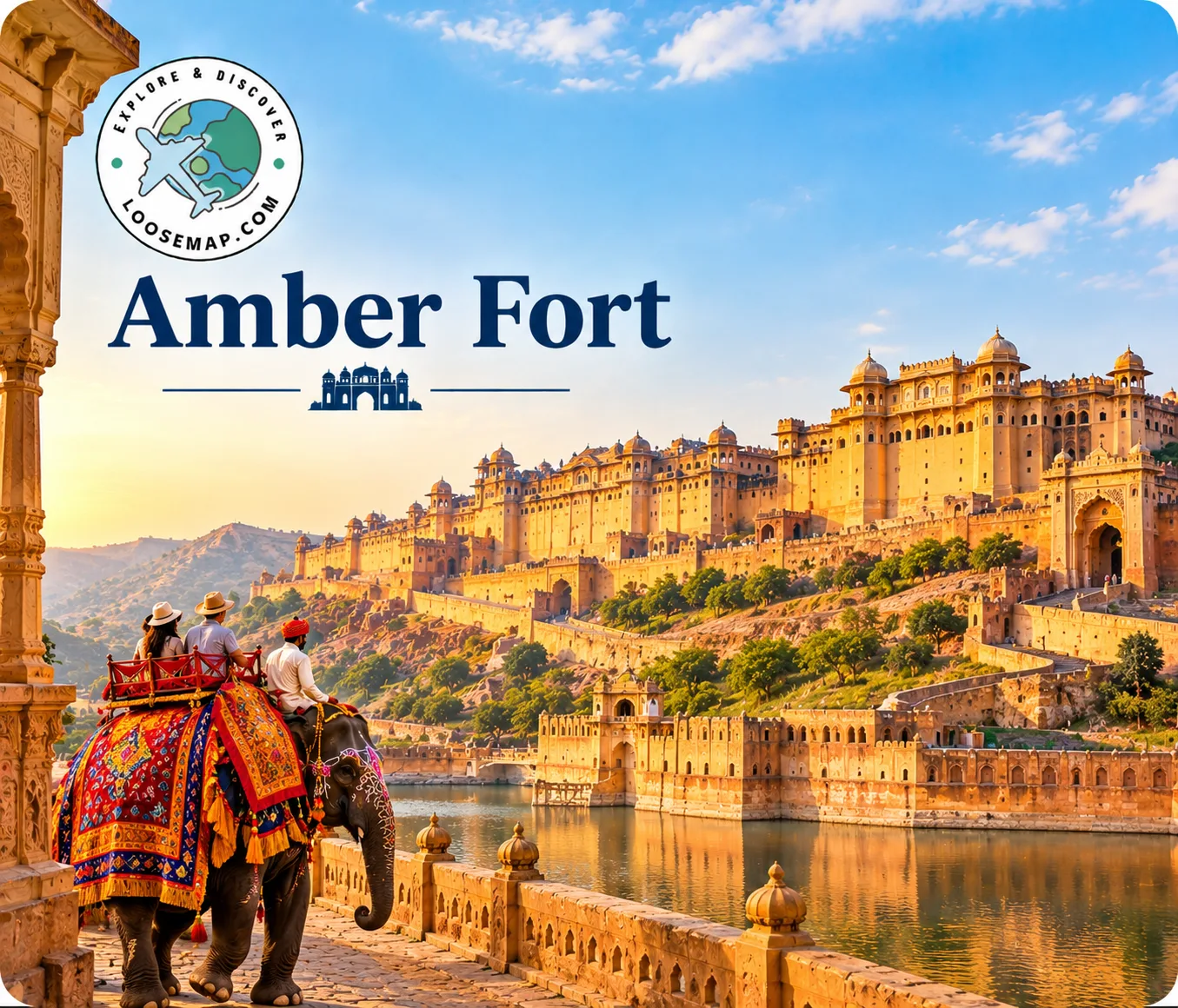
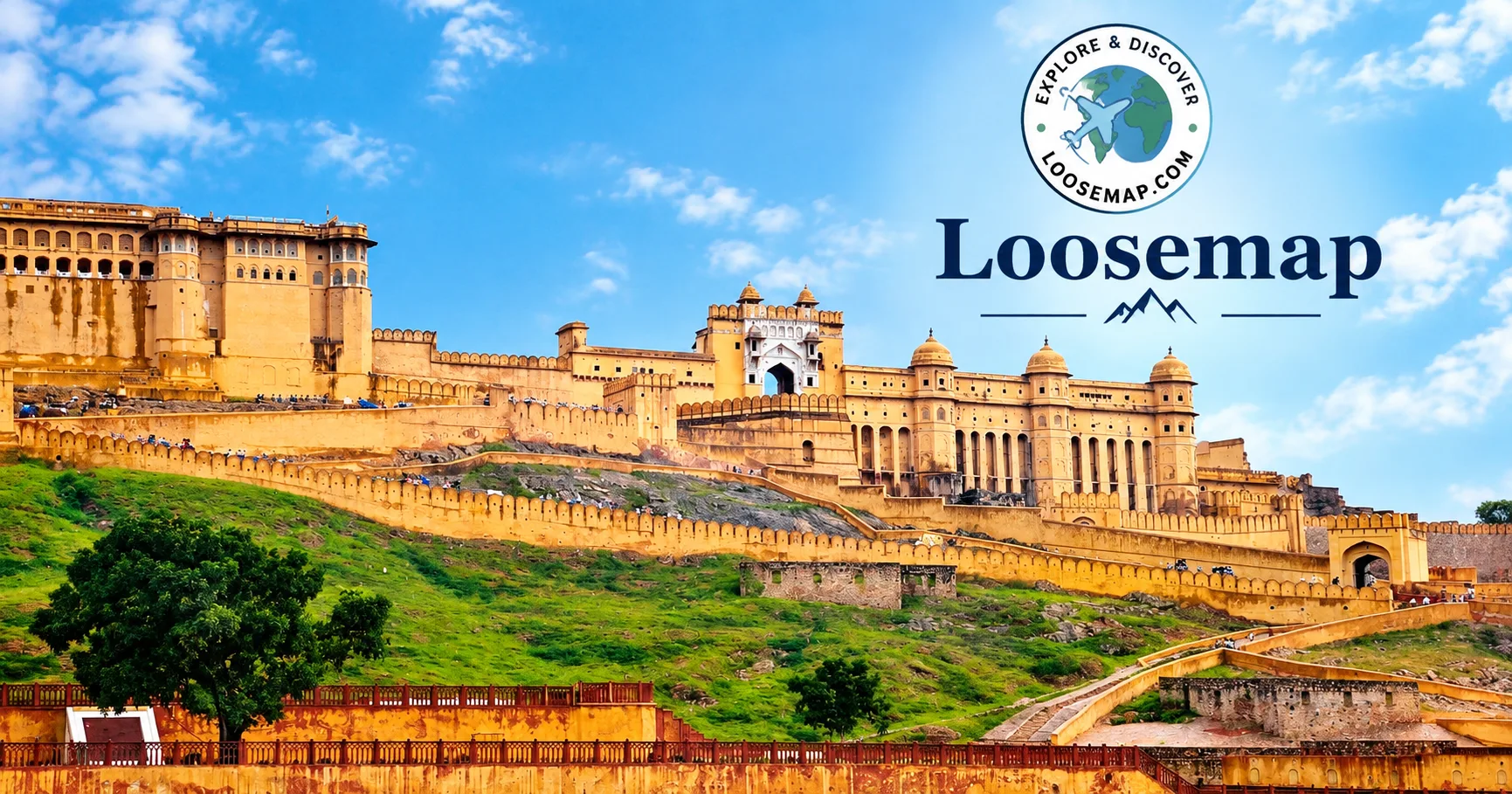
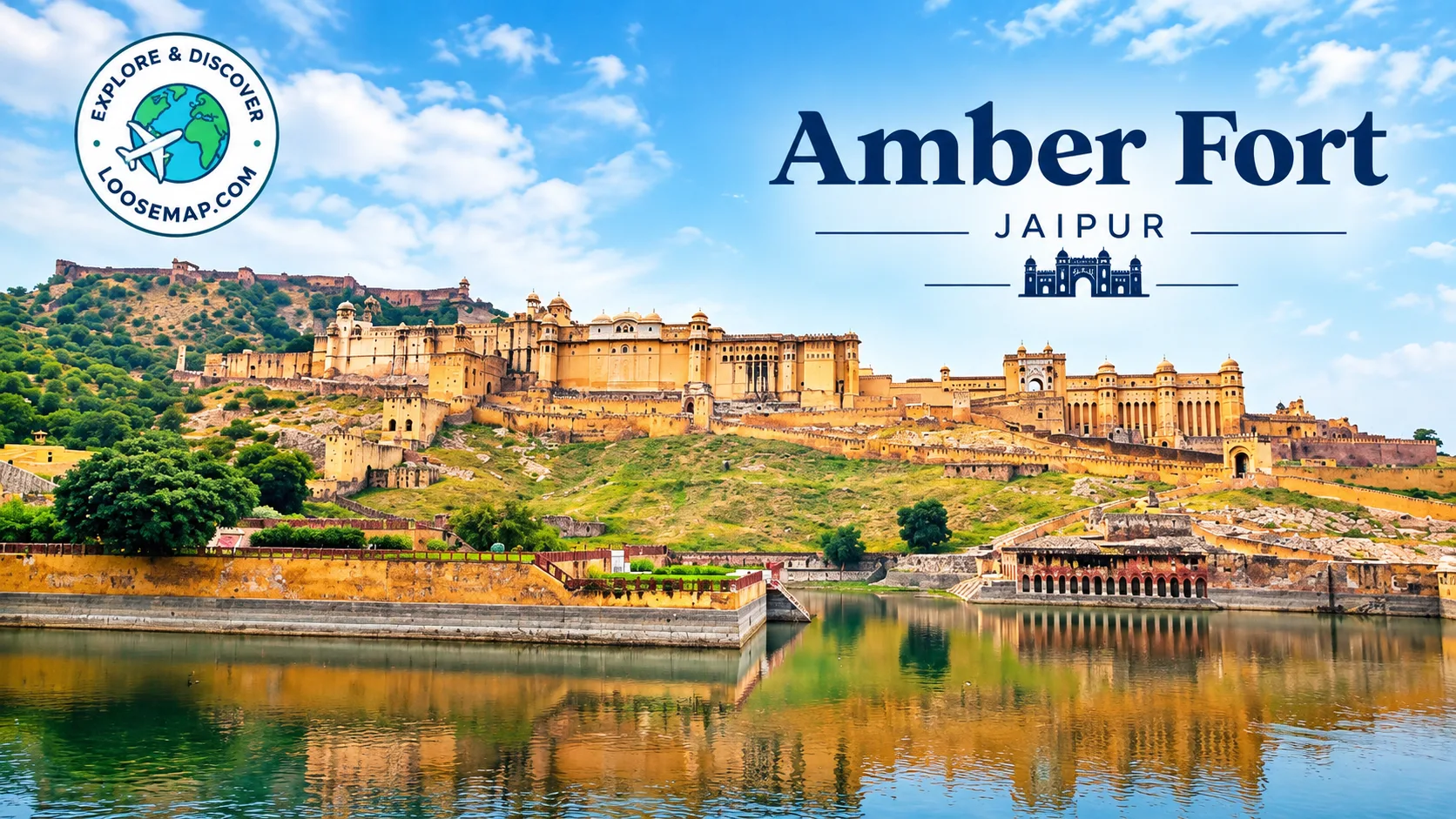
Amber Fort Jaipur, also known as Amer Fort, is one of the most magnificent historical landmarks in Rajasthan and a major attraction for travelers visiting Jaipur. Located approximately 11 kilometers from the heart of Jaipur, this spectacular fort stands majestically on the Aravalli Hills and offers a fascinating glimpse into the royal history, culture, and architectural brilliance of Rajasthan.
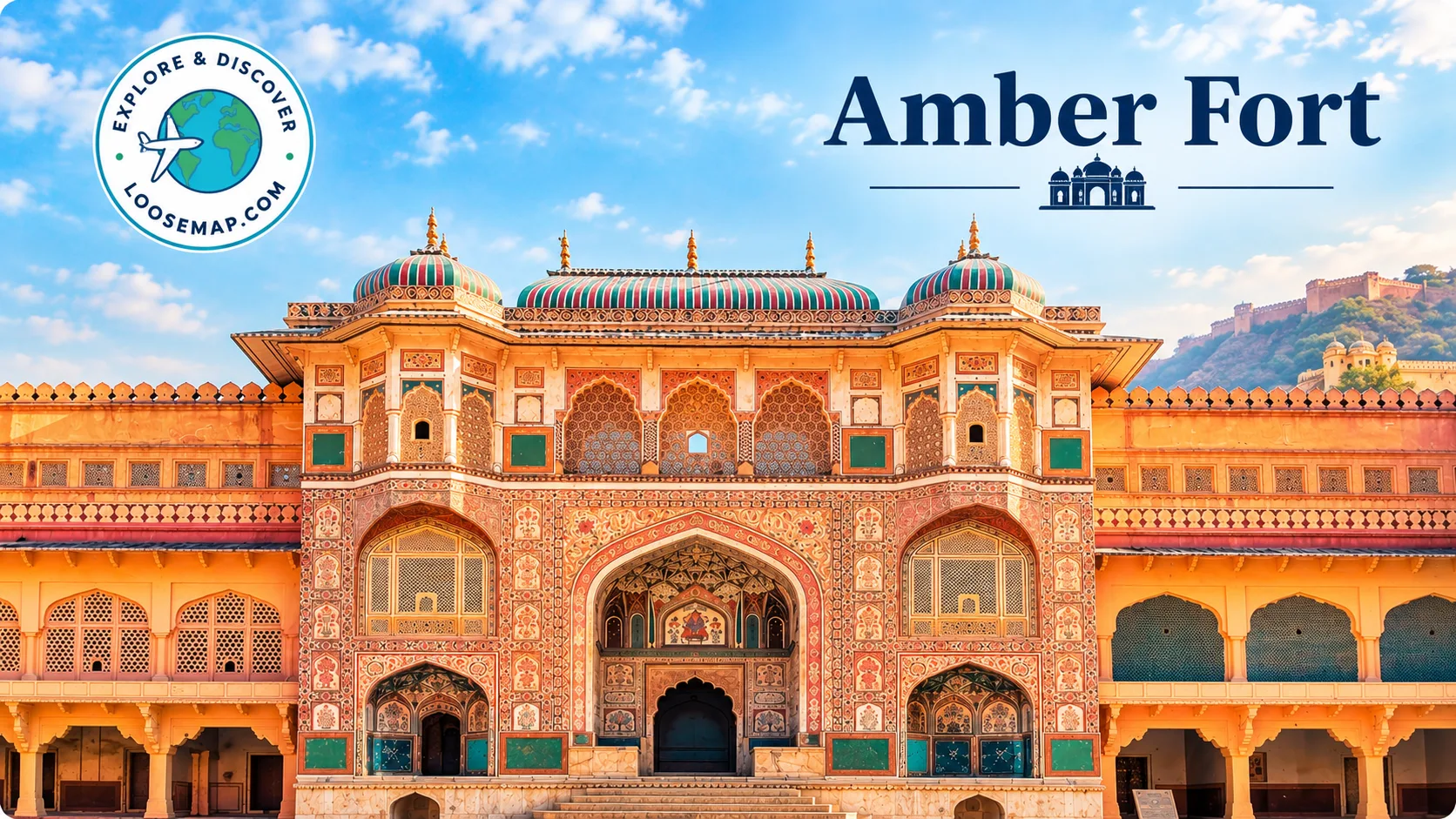
Built primarily with red sandstone and marble, Amber Fort is famous for its grand gateways, expansive courtyards, royal palaces, beautiful gardens, detailed carvings, and magnificent mirror work. The fort beautifully combines traditional Rajput architecture with influences from Mughal design, creating an impressive monument that continues to attract visitors from India and around the world.
If you are planning a trip to Jaipur, visiting Amber Fort should be an important part of your itinerary. However, knowing the fort’s history, architecture, timings, ticket information, major attractions, transportation options, and useful travel tips can make your experience much easier and more enjoyable.
This complete Amber Fort Jaipur travel guide by LooseMap brings together essential information you need before planning your visit.
History of Amber Fort Jaipur
Amber Fort has a fascinating history connected with the Kachwaha Rajput rulers of Rajasthan. The earlier foundations of the fort are associated with Raja Man Singh I, one of the prominent Rajput rulers during the Mughal period. Over the years, successive rulers expanded and developed the complex, turning it into an impressive royal residence.
The fort served as an important seat of the Kachwaha rulers before Jaipur became the capital under Maharaja Sawai Jai Singh II. Its strategic location on the hills provided natural protection while also giving the rulers commanding views of the surrounding region.
The history of Amber Fort reflects the political relationships, cultural exchanges, and architectural developments that shaped Rajasthan over several centuries. Today, its massive walls, royal apartments, temples, courtyards, and decorative interiors provide visitors with an opportunity to understand the lifestyle and artistic traditions of Rajasthan’s royal families.
Architecture of Amber Fort
The architecture of Amber Fort is one of its biggest attractions. The complex combines Rajput and Mughal architectural elements and features impressive gateways, large courtyards, ornamental pillars, delicate artwork, and beautifully decorated interiors.
One of the most recognizable entrances is Suraj Pol, or the Sun Gate, which traditionally served as an important entrance to the fort. Ganesh Pol is another beautifully decorated gateway known for its intricate designs and artistic details.
Inside the fort, visitors can explore several courtyards and royal structures. Diwan-i-Aam, or the Hall of Public Audience, was associated with royal gatherings and interactions with visitors and officials. Diwan-i-Khas was used for more private royal meetings.
Another major highlight is Sheesh Mahal, or the Mirror Palace. Its decorative mirror work and detailed craftsmanship demonstrate the artistic excellence associated with royal Rajasthan. The palace complex also contains gardens, private chambers, halls, and other structures that reveal the luxurious lifestyle of the rulers.
Major Attractions Inside Amber Fort
Amber Fort has several important attractions that deserve time during your visit. Some of the most popular places to explore include:
Ganesh Pol: A beautifully decorated gateway leading toward the private royal areas.
Sheesh Mahal: Famous for its intricate mirror decoration and artistic interiors.
Diwan-i-Aam: The Hall of Public Audience associated with royal gatherings.
Diwan-i-Khas: A more private hall used for important meetings.
Sukh Niwas: Known for its cooling architectural features and royal design.
Jai Mandir: An important palace area featuring impressive decorative work.
Maota Lake: Located near the fort and providing beautiful views of the surrounding landscape.
Royal Courtyards: Large open spaces that demonstrate the scale and planning of the fort complex.
Each section of Amber Fort has its own architectural details and historical significance, making the experience more than just a quick sightseeing stop.
Amber Fort Jaipur Timings
Before visiting Amber Fort, travelers should check the latest official opening hours because timings, entry arrangements, and visitor regulations can change depending on the season, special events, maintenance, or government guidelines.
For a comfortable visit, it is generally advisable to arrive early in the day. Morning visits can provide more comfortable weather, particularly during the warmer months, and allow visitors sufficient time to explore the large fort complex.
Travelers planning to attend any special evening program or light-and-sound presentation should separately confirm its schedule and ticket requirements before visiting.
Amber Fort Ticket Price
Entry fees for Amber Fort can vary depending on visitor category, nationality, age, special attractions, and government regulations. Additional charges may also apply for certain activities or experiences.
Because ticket prices and entry policies can change, visitors should verify the latest ticket information before their trip rather than relying on outdated travel information.
If you are planning a Jaipur sightseeing itinerary, it is also useful to consider the entry fees and visiting hours of other attractions you plan to see on the same day.
Best Time to Visit Amber Fort
The best time to explore Amber Fort generally depends on weather conditions and your personal travel preferences. Jaipur experiences hot summers, while the winter months are comparatively more comfortable for sightseeing.
The period from October to March is particularly popular among travelers because the weather is generally more pleasant for exploring outdoor monuments and walking through the fort complex.
Early morning can be a good time to visit because temperatures are usually more comfortable and the fort can be easier to explore before the busiest period of the day.
During summer, visitors should carry drinking water, wear comfortable clothing, use sun protection, and plan outdoor sightseeing around the cooler parts of the day.
How to Reach Amber Fort from Jaipur
Amber Fort is easily accessible from Jaipur and can be included in a full-day sightseeing itinerary.
Visitors can reach the fort by taxi, private vehicle, auto-rickshaw, or other local transportation options. Many Jaipur sightseeing tours also include Amber Fort along with other major attractions such as City Palace, Hawa Mahal, Jantar Mantar, Jaigarh Fort, and Nahargarh Fort.
The fort’s location in the Aravalli Hills makes the journey itself interesting, especially as you approach the historic complex and see its massive walls and hilltop structures.
If you are traveling independently, it is advisable to plan your route in advance and allow enough time for traffic, parking, entry procedures, and walking inside the fort.
How Much Time Do You Need at Amber Fort?
Amber Fort is a large historical complex, so rushing through it can mean missing many interesting architectural details. Most visitors should allow several hours to explore the major sections comfortably.
The amount of time required depends on your interests. Travelers interested mainly in photography and the major highlights may need less time, while history and architecture enthusiasts may prefer a longer visit.
You should also consider the walking involved. The fort includes courtyards, stairways, palace areas, and open spaces, so comfortable footwear can make the experience easier.
Things to See Near Amber Fort
One advantage of visiting Amber Fort is its proximity to several other important attractions in Jaipur. You can combine your visit with:
Jaigarh Fort
Nahargarh Fort
Jal Mahal
City Palace
Hawa Mahal
Jantar Mantar
Gaitore Ki Chhatriyan
A well-planned Jaipur itinerary can therefore cover several major heritage attractions in one or two days.
Jaigarh Fort is particularly interesting for travelers who want to explore more of Jaipur’s hilltop fortifications, while Jal Mahal provides a very different experience with its distinctive location in the middle of Man Sagar Lake.
Photography at Amber Fort
Amber Fort is an excellent destination for photography. The combination of historic architecture, colorful details, courtyards, hill landscapes, and panoramic views creates numerous opportunities for photographs.
The fort’s gateways, palace interiors, decorative walls, and surrounding hills are especially popular among visitors.
However, travelers should follow the photography rules applicable to individual areas of the monument. Some interiors or sections may have restrictions on photography or the use of certain equipment.
Travel Tips for Visiting Amber Fort
A little preparation can make your visit to Amber Fort more comfortable and enjoyable.
Wear comfortable walking shoes because exploring the fort involves walking across courtyards, pathways, and stairways.
Carry drinking water, especially if you are visiting during warmer months.
Arrive early if you prefer relatively comfortable temperatures and want to spend more time exploring the monument.
Check the latest ticket prices and opening hours before leaving for the fort.
Carry sun protection such as sunglasses, sunscreen, and a hat during sunny weather.
Keep some extra time in your itinerary because Amber Fort is larger than it may initially appear.
Respect the monument and avoid touching, damaging, or writing on historical structures.
If you are interested in the history and architecture, consider using a knowledgeable guide or reliable informational resource to understand the significance of different sections.
Why Visit Amber Fort Jaipur?
Amber Fort is more than just a historic building. It represents the architectural heritage, royal history, artistic traditions, and cultural identity of Rajasthan.
The fort allows visitors to see how royal residences were planned around courtyards, defensive structures, ceremonial spaces, private chambers, gardens, and religious areas. Its location among the Aravalli Hills also adds to its visual appeal.
For history enthusiasts, the fort provides an opportunity to learn about Rajasthan’s royal past. For architecture lovers, its decorative details and combination of architectural influences make it particularly fascinating. For photographers and travelers, its dramatic location and grand structures provide memorable experiences.
Plan Your Amber Fort Visit with LooseMap
Planning a historical trip becomes easier when you have reliable information about the destination before you arrive. LooseMap is designed to help travelers discover destinations, understand important attractions, and plan their journeys with useful travel information.
Whether you are visiting Jaipur for a weekend, exploring Rajasthan on a longer road trip, or creating a heritage-focused itinerary, Amber Fort deserves a place on your travel list.
From its centuries-old history and magnificent architecture to its royal courtyards and scenic surroundings, Amber Fort offers an unforgettable look into Rajasthan’s heritage.
Before your visit, check the latest timings, ticket information, travel conditions, and visitor guidelines so you can plan your day accordingly.
With this complete guide from LooseMap, you can learn about Amber Fort Jaipur’s history, architecture, attractions, timings, tickets, transportation, nearby places, and practical travel tips—all in one place.
Explore Jaipur, discover Rajasthan’s royal heritage, and make your next journey more memorable with LooseMap.
Photo Gallery